Sacioava Church

Larix Studio

/

Completed Projects – Culture. Heritage

/

Romania

Company Name

Larix Studio


COMPANY COUNTRY:

Romania

ARCHITECTURAL CREDITS

Authors LARIX STUDIO/Györfy László-Miklós, Köllő Miklós, Portik Beáta, Siklódi Róbert Collaborators LARIX STUDIO/Huszár Csilla, Kelemen Árpád, Kelemen Szabolcs, Madaras Péter, Molnár Zsolt, Sándor Johanna, Sszigeti Vajk István, Zsigmond Katalin

Project Team
STABECH STRUCTURE / Barabás Zsuzsa, Gurzó András, Gurzó Levente, Kercsó Zoltán PIEME IMPEX / Buzura Oana-Ancuța IMSAT SERVICE CLUJ/ Cojan Ioan Cristian Hlavathy Károly
CLIENT OR OWNER NAME:

Reformed Parish of Sacioava

Project Name:
Sacioava Church
Project Country:

Romania

Project City:
Sfantu-Gheorghe
Project Category:
Culture. Heritage
Project Area:
194 sqm
Completion Date:
2026-06-27
Project overview

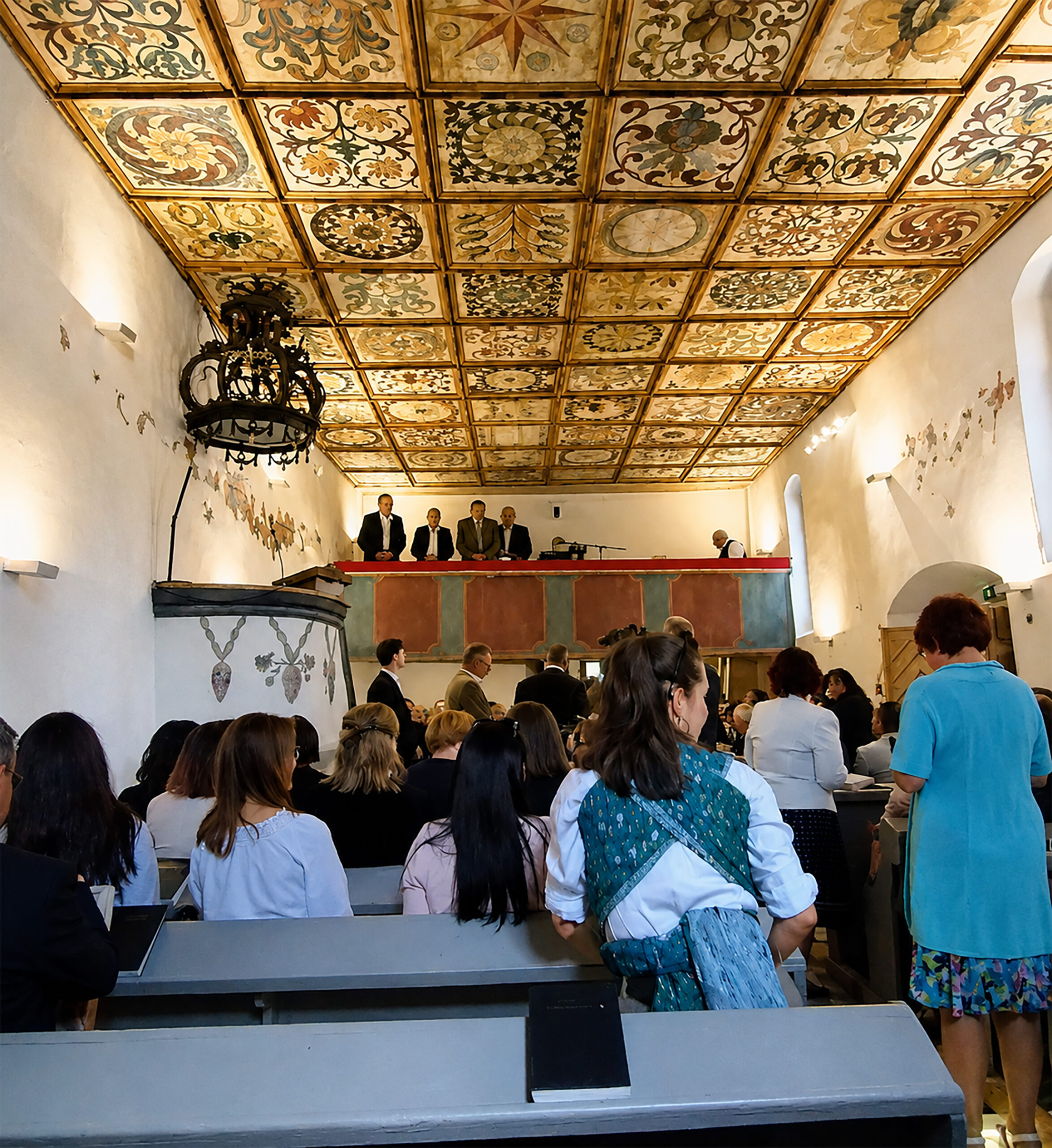
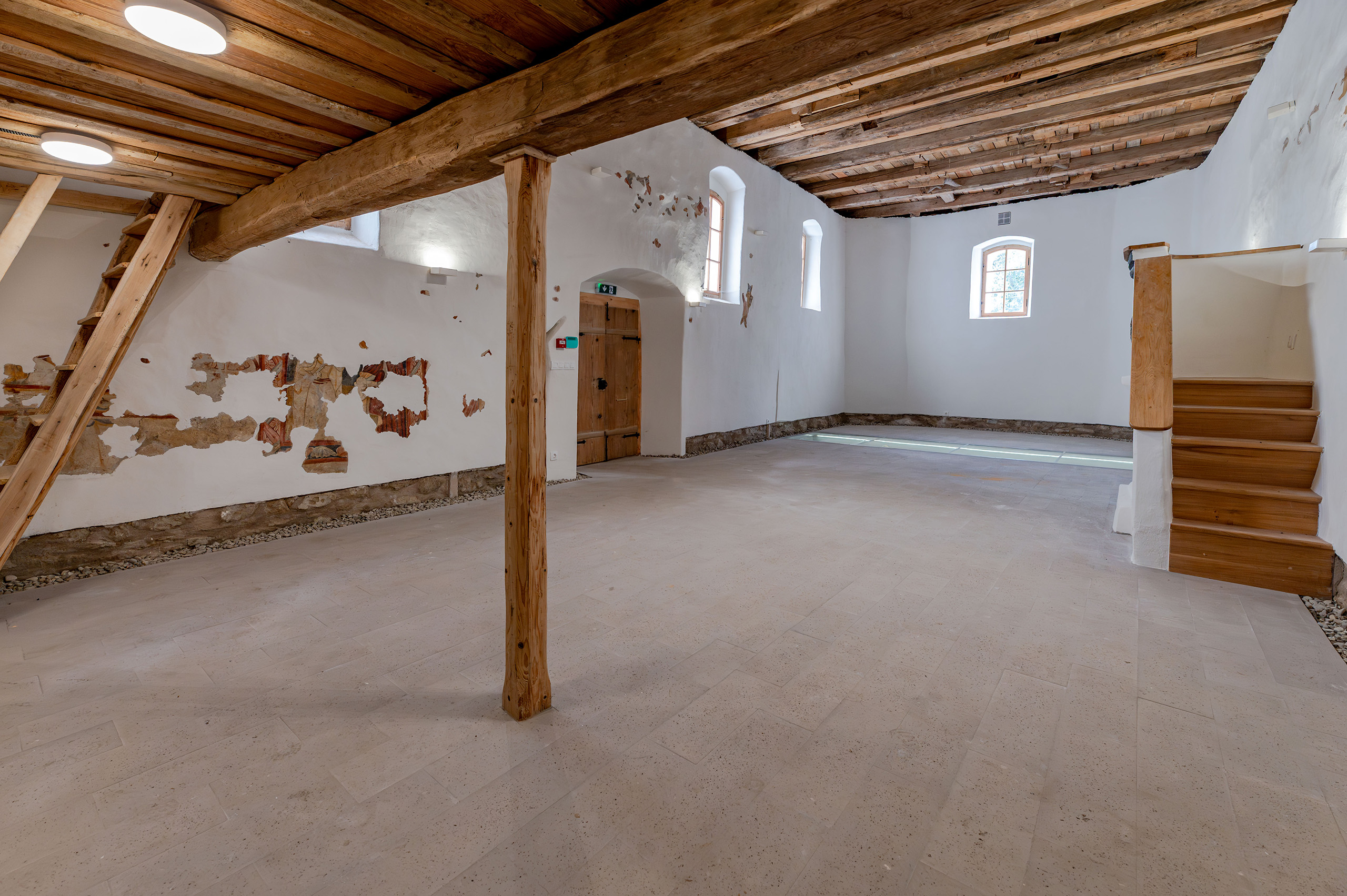
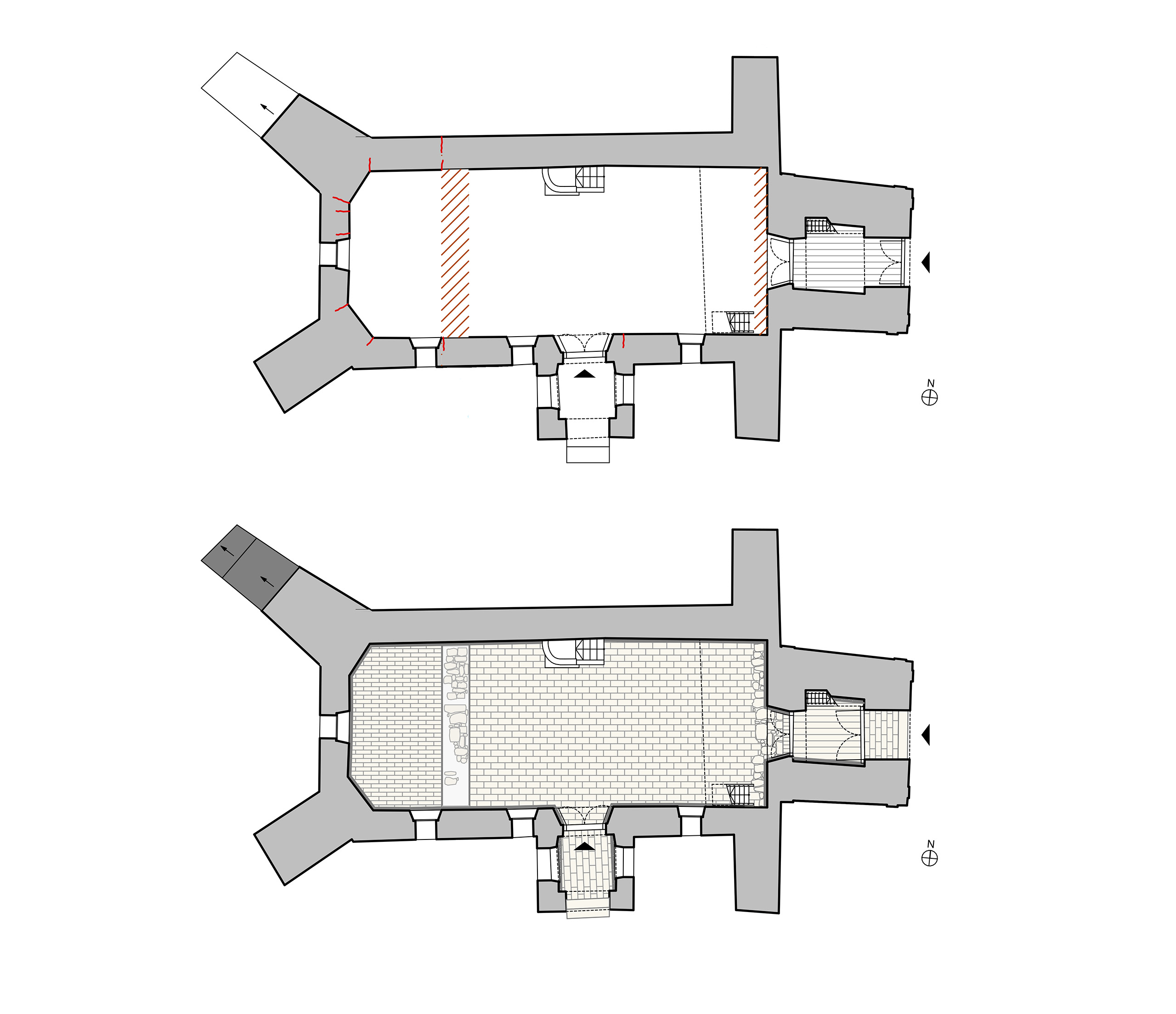
The restoration of the Reformed Church in Saciova preserves over six centuries of architectural and cultural heritage. Medieval wall paintings, the 1761 painted coffered ceiling, and archaeological discoveries were carefully conserved and integrated through discreet contemporary interventions. The project reveals the monument's historical layers while reinforcing its role as the spiritual and cultural landmark of the local community.

Project history
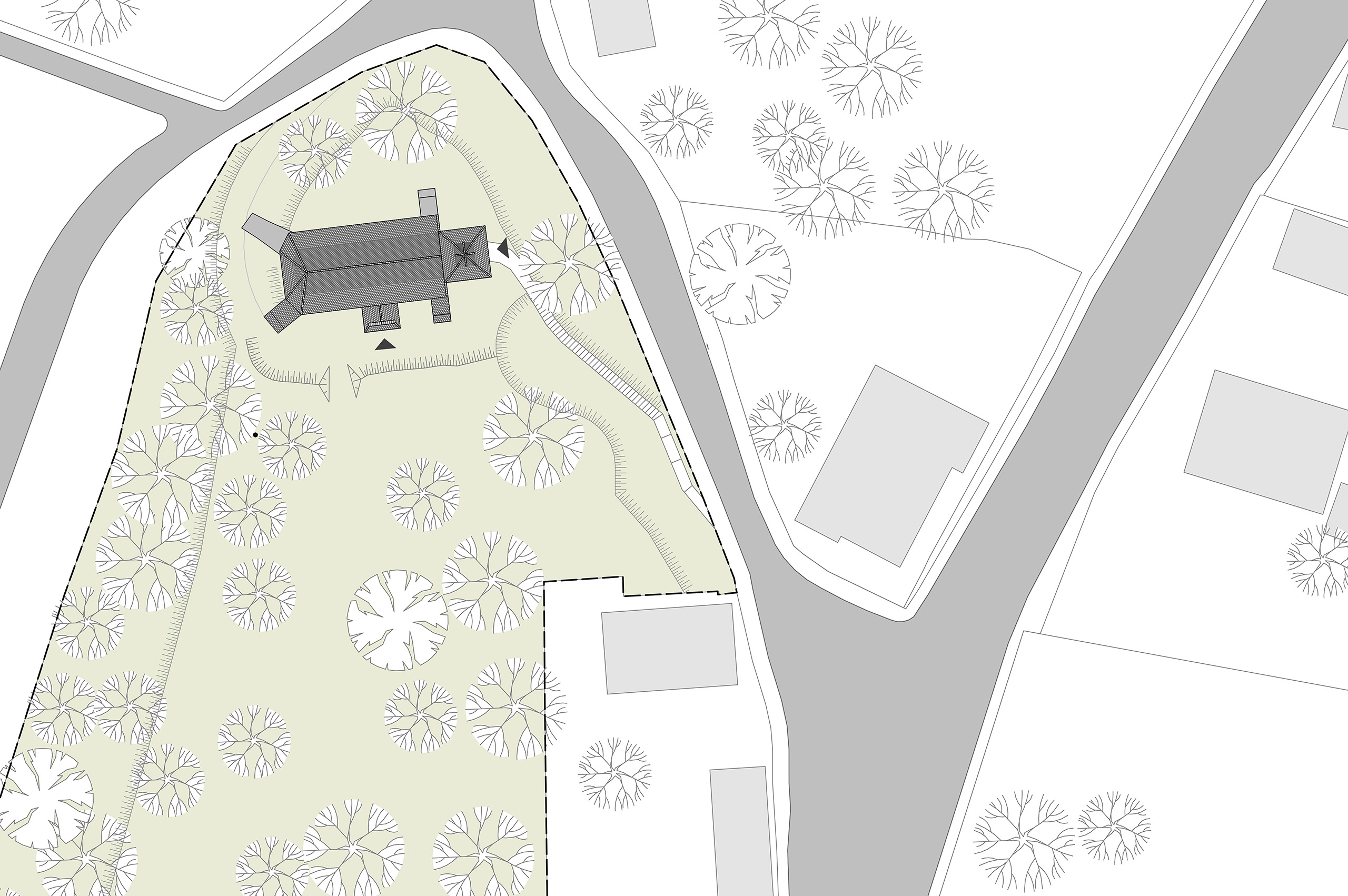
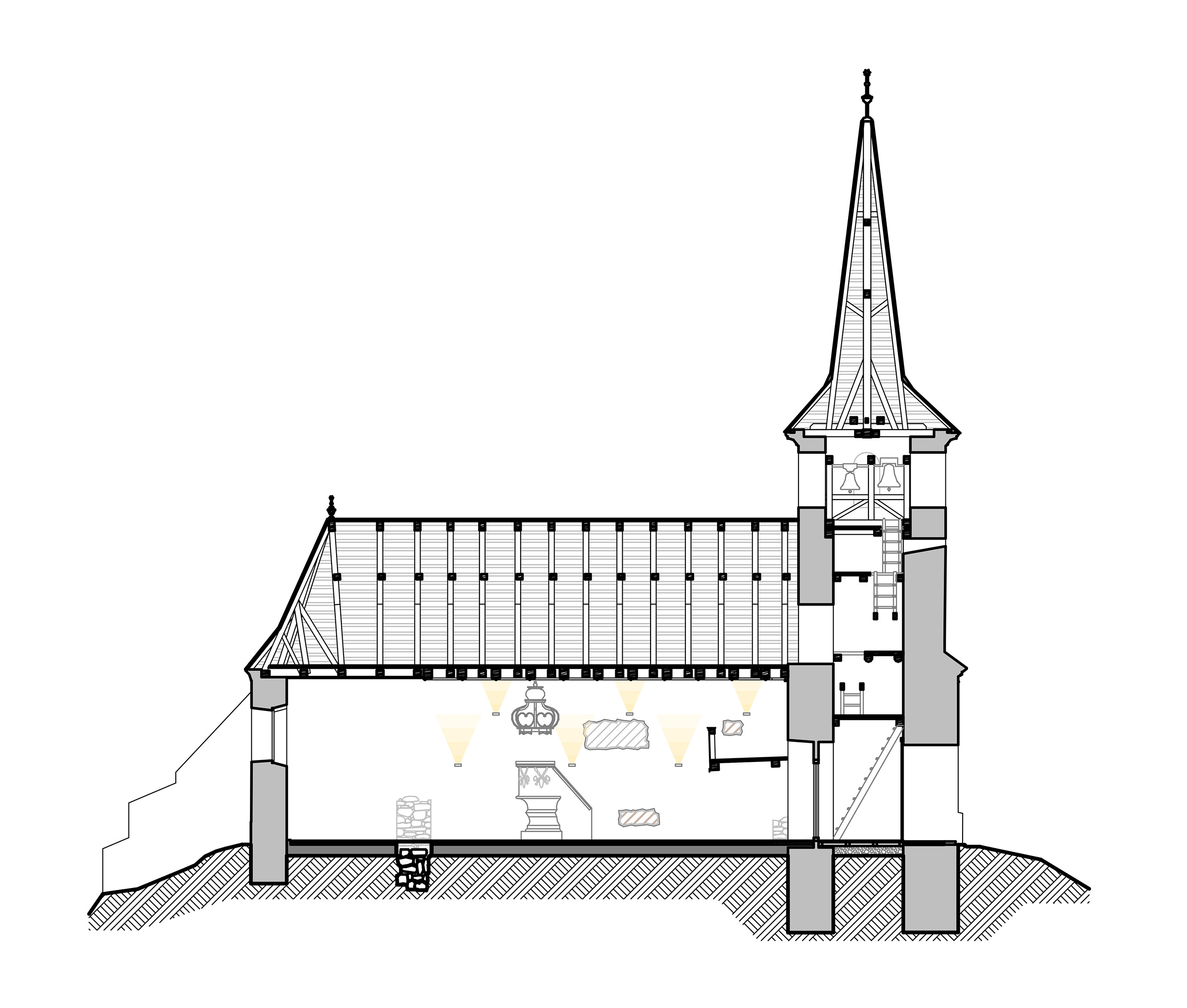
The restoration project was initiated by the Reformed Parish of Saciova with the aim of preserving one of the region’s most valuable historic churches while ensuring its continued use as a place of worship. From the outset, the client sought a conservation approach that respected every historical layer of the monument, from its medieval origins to its later Reformed transformations. The project combined architectural restoration, archaeological research, and the conservation of mural paintings and the painted coffered ceiling, while introducing discreet contemporary interventions to improve accessibility and visitor experience. Completed through close collaboration between architects, conservators, archaeologists, and craftsmen, the restoration has strengthened the church’s role as the spiritual and cultural centre of the village, preserving an important part of Transylvania’s heritage for both the local community and future generations.