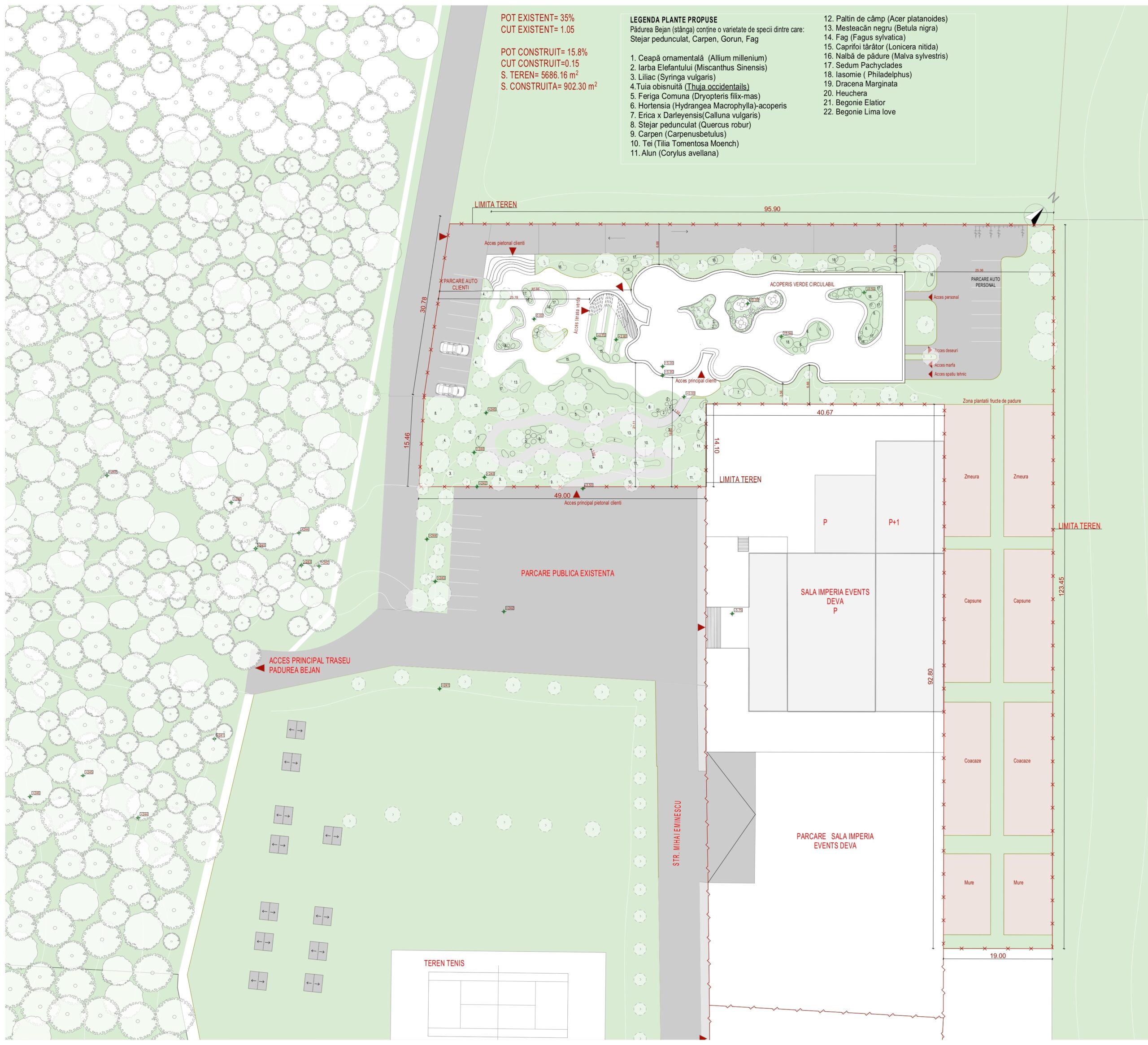
REVITALIZATION OF THE GREEN INFRASTRUCTURE OF THE MUNICIPALITY OF DEVA THROUGH INTERVENTIONS ON THE AXIS PARC CETATE – PARC BEJAN AND MODERNIZATION OF THE BEJAN LEISURE AREA

Alexandru Bulc

/

Ready to Build (Permitted Projects) – Masterplanning. City Planning. Transport. Urban landscape

/

Romania

Company Name

Alexandru Bulc


COMPANY COUNTRY:

Romania

ARCHITECTURAL CREDITS

Bulc Alexandru Lucian

Project Team
Bulc Alexandru Lucian
CLIENT OR OWNER NAME:

Yhe city of Deva

Project Name:
REVITALIZATION OF THE GREEN INFRASTRUCTURE OF THE MUNICIPALITY OF DEVA THROUGH INTERVENTIONS ON THE AXIS PARC CETATE – PARC BEJAN AND MODERNIZATION OF THE BEJAN LEISURE AREA
Project Country:

Romania

Project City:
Deva
Project Category:
Masterplanning. City Planning. Transport. Urban landscape
Project Area:
902.3
Completion Date:
2024-07-26
Project overview

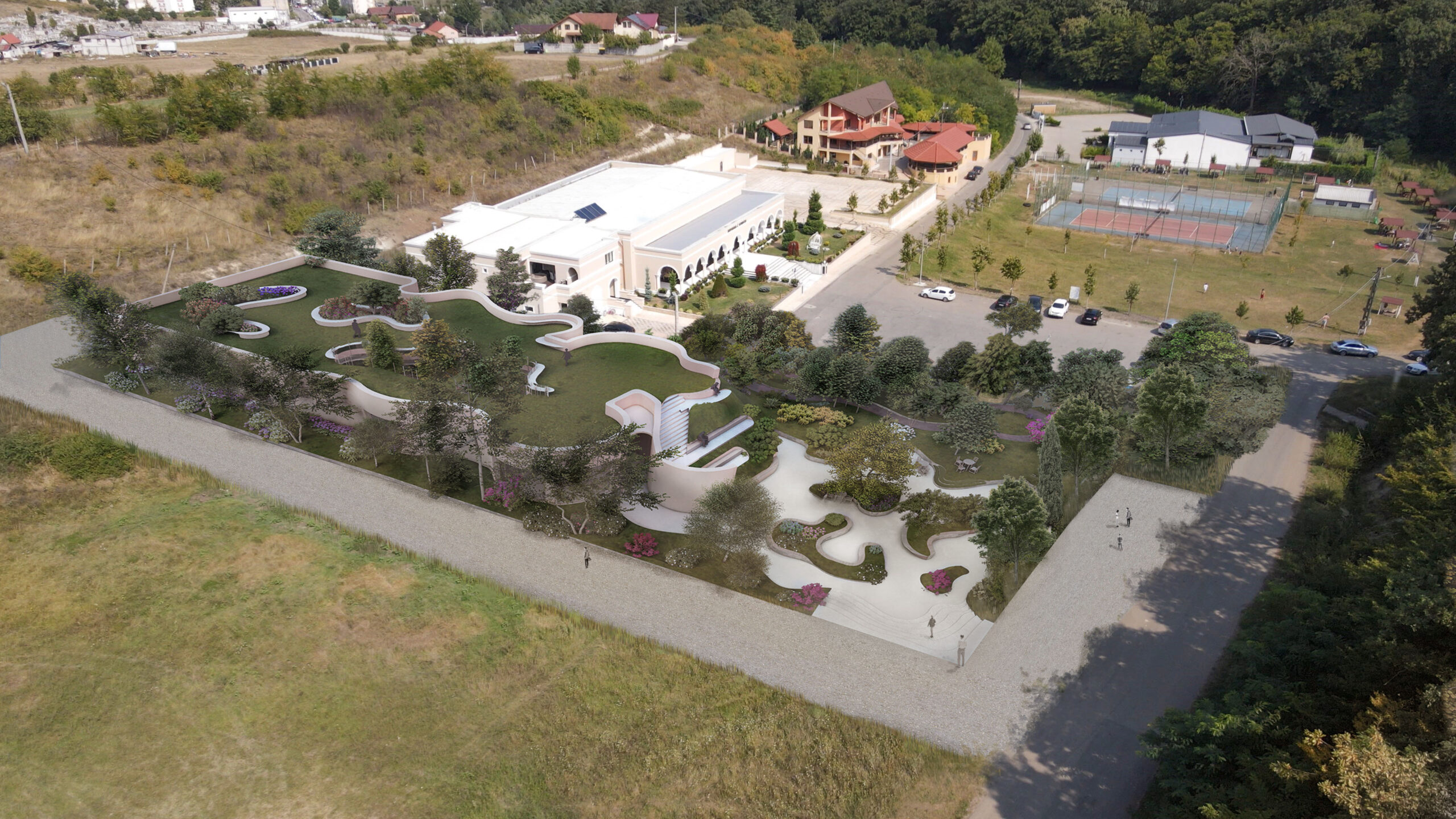
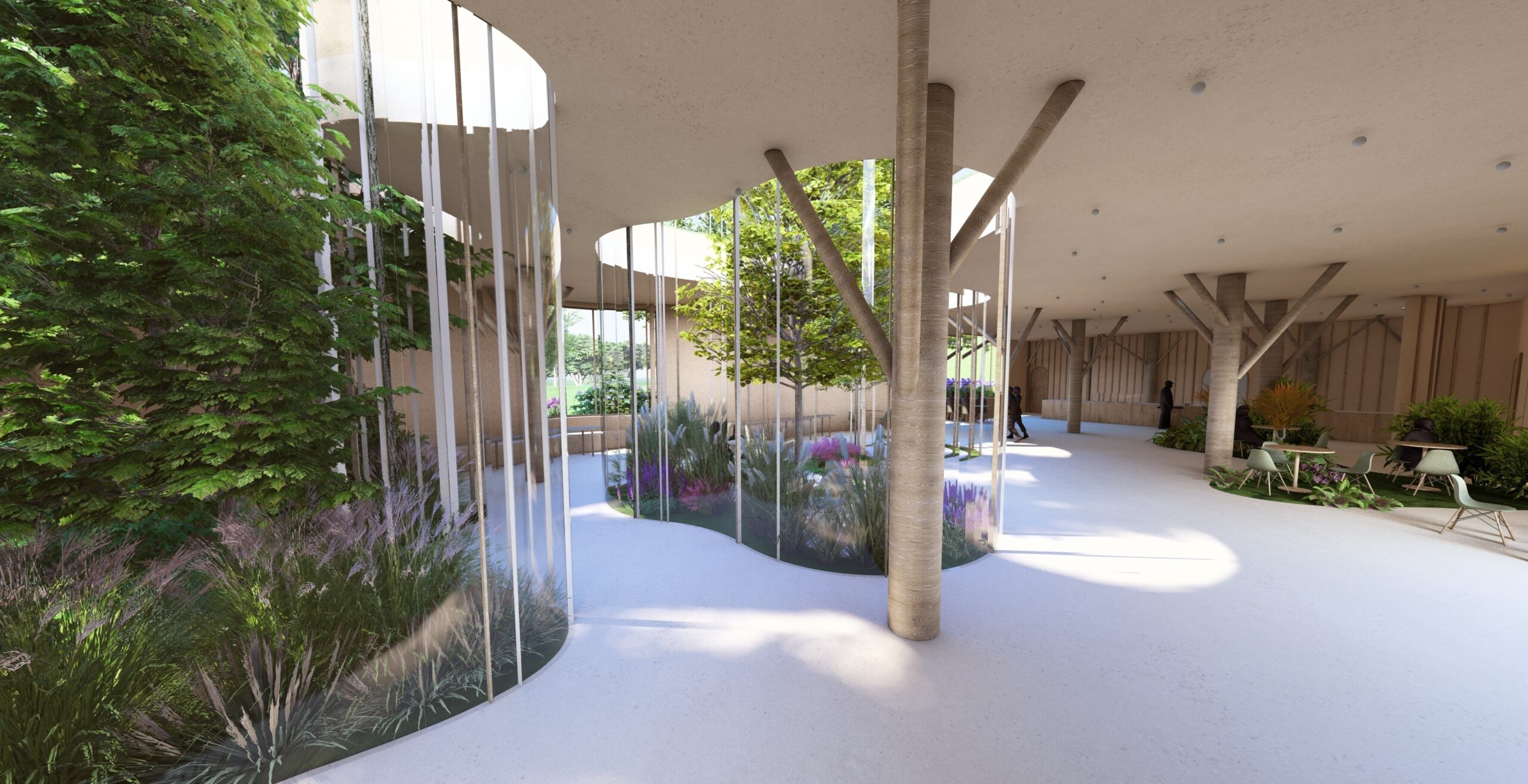
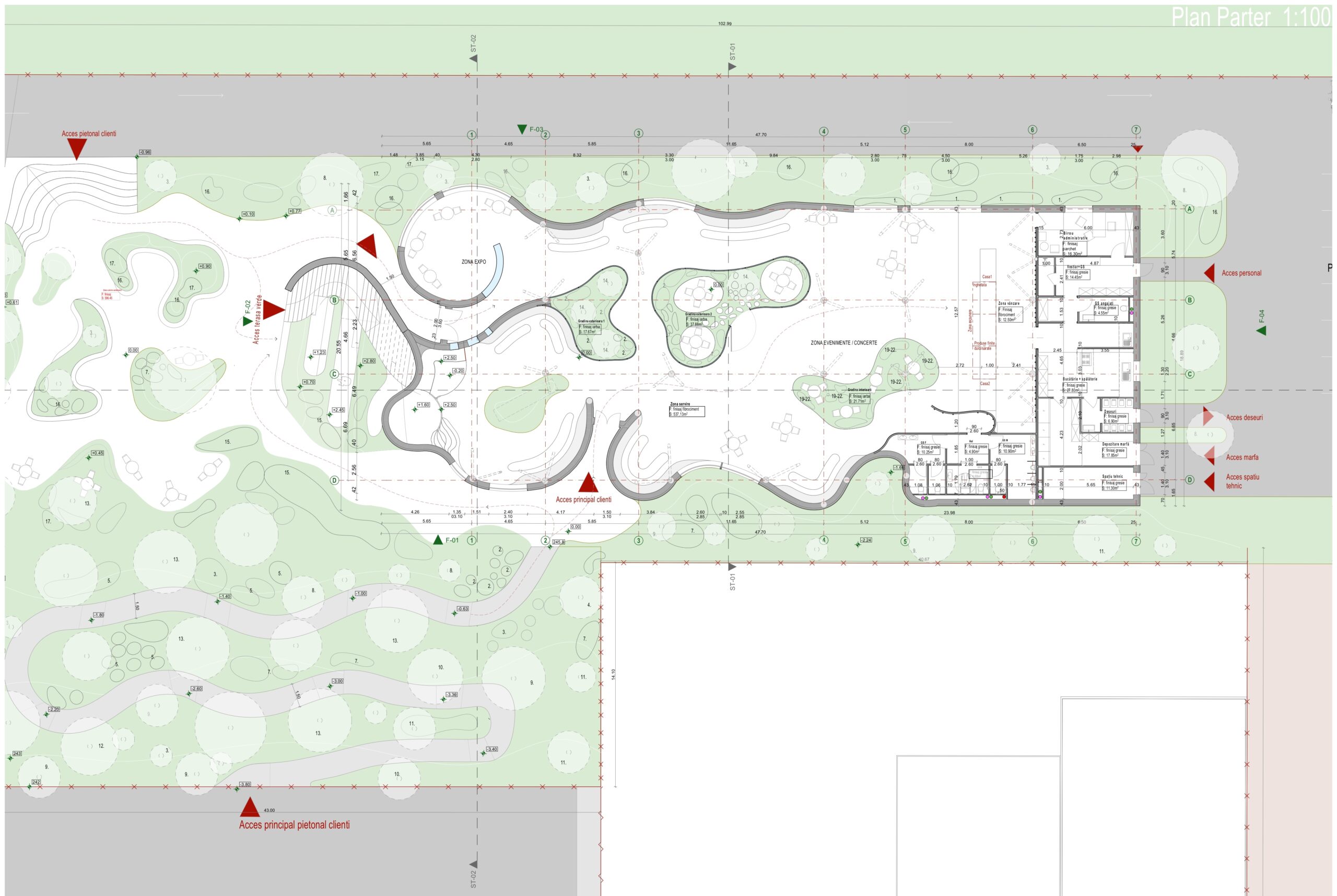
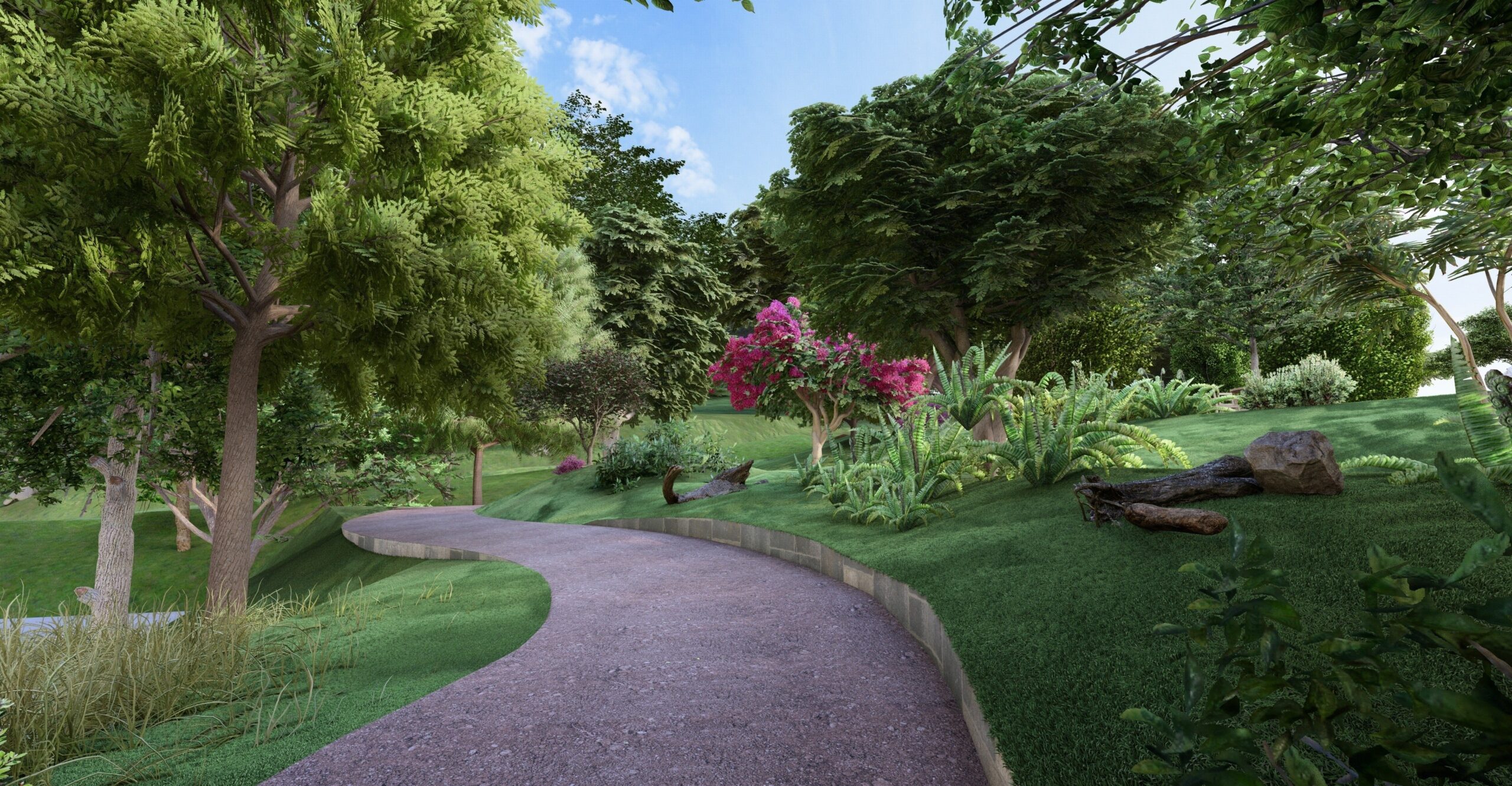
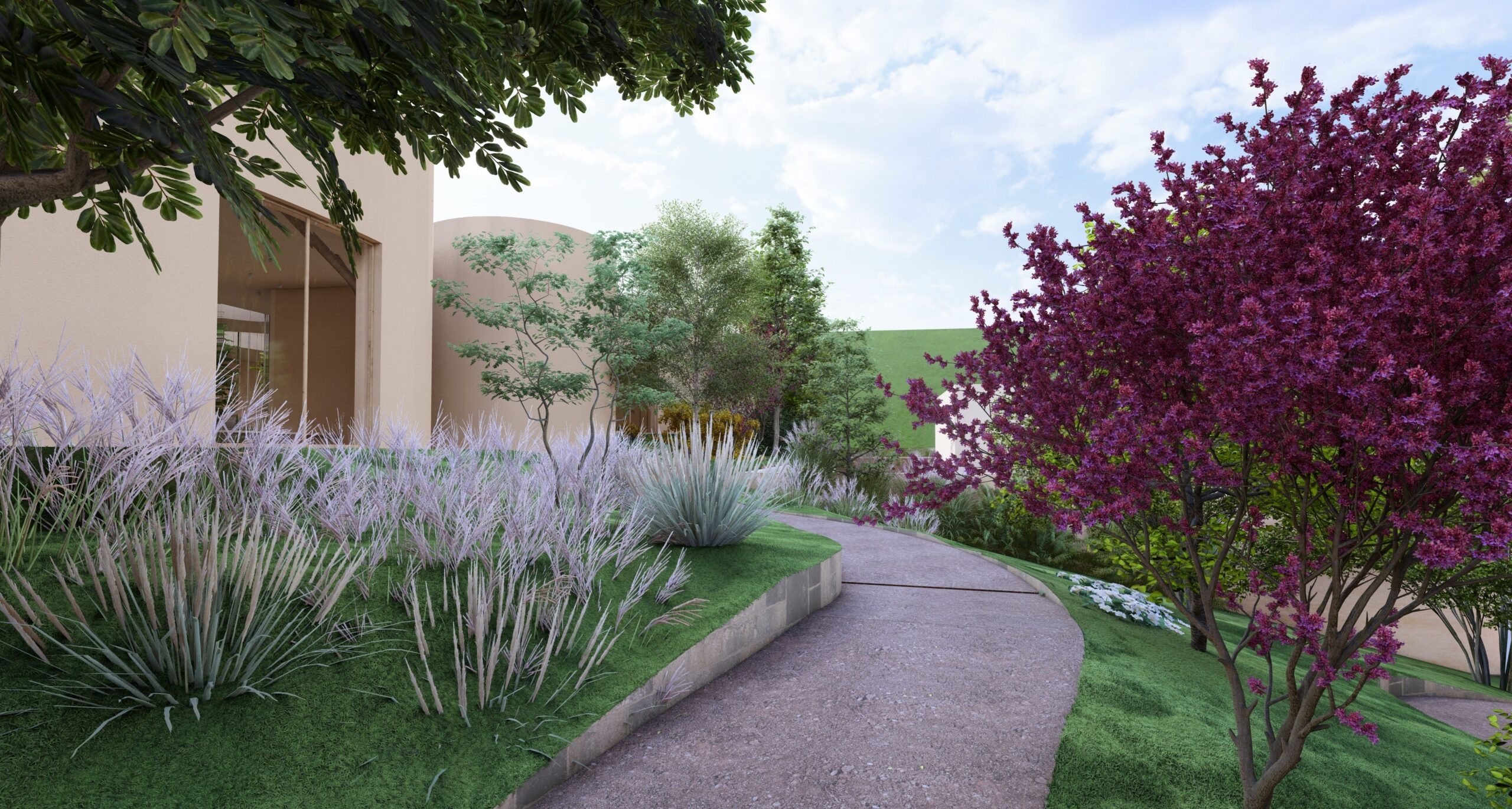
Proiectul revitalizează axa verde Cetate-Bejan din Deva prin acupunctură urbană. Intenția este integrarea arhitecturii în peisaj. Programul include un pavilion de alimentație (capacitate 85 persoane), amfiteatru și sisteme de biofiltrare a apei. Designul șterge granița interior-exterior folosind fațade vitrate și arbori pe post de „coloane vii”. Datele despre costuri nu sunt menționate.

Project history
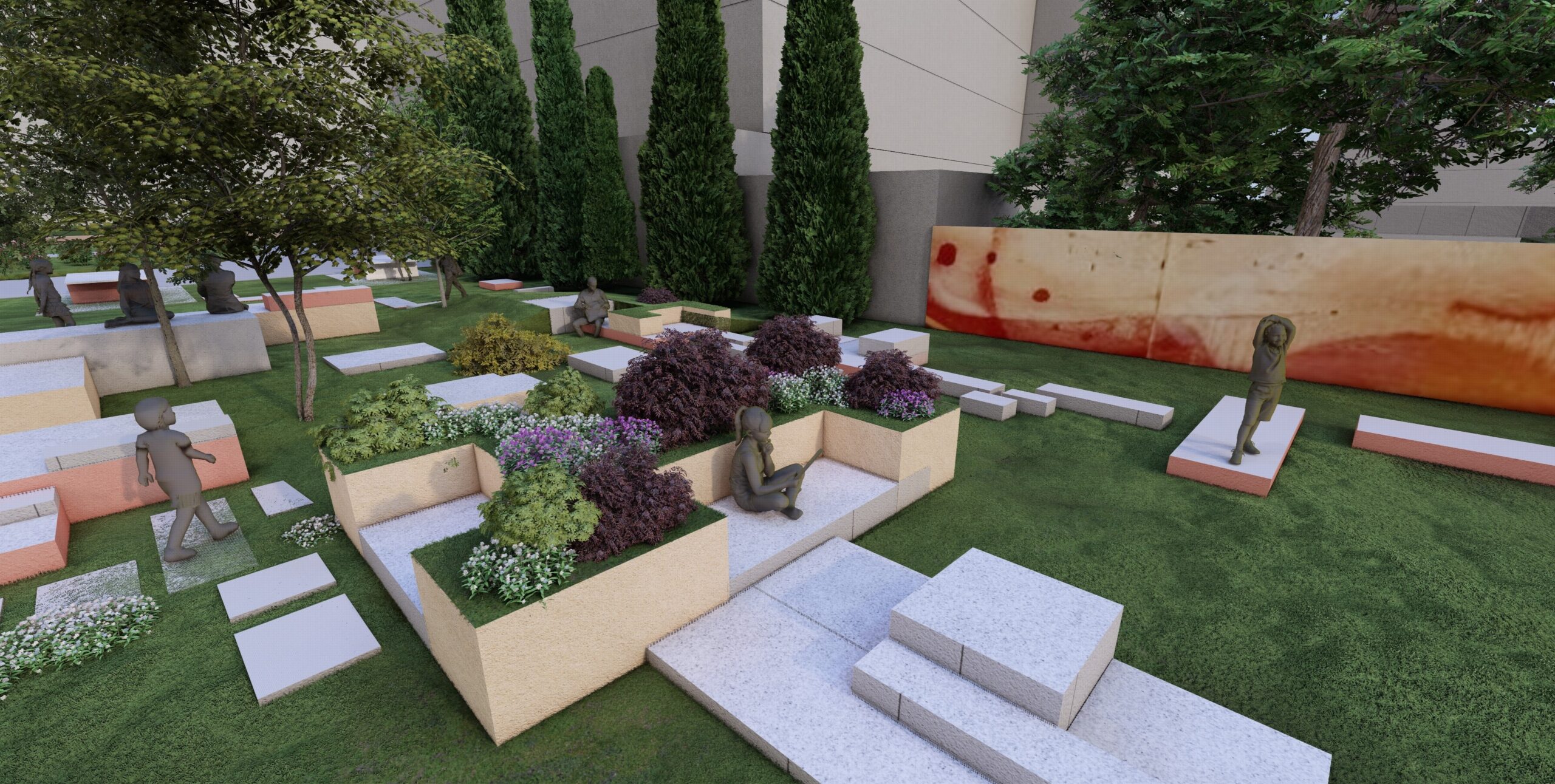
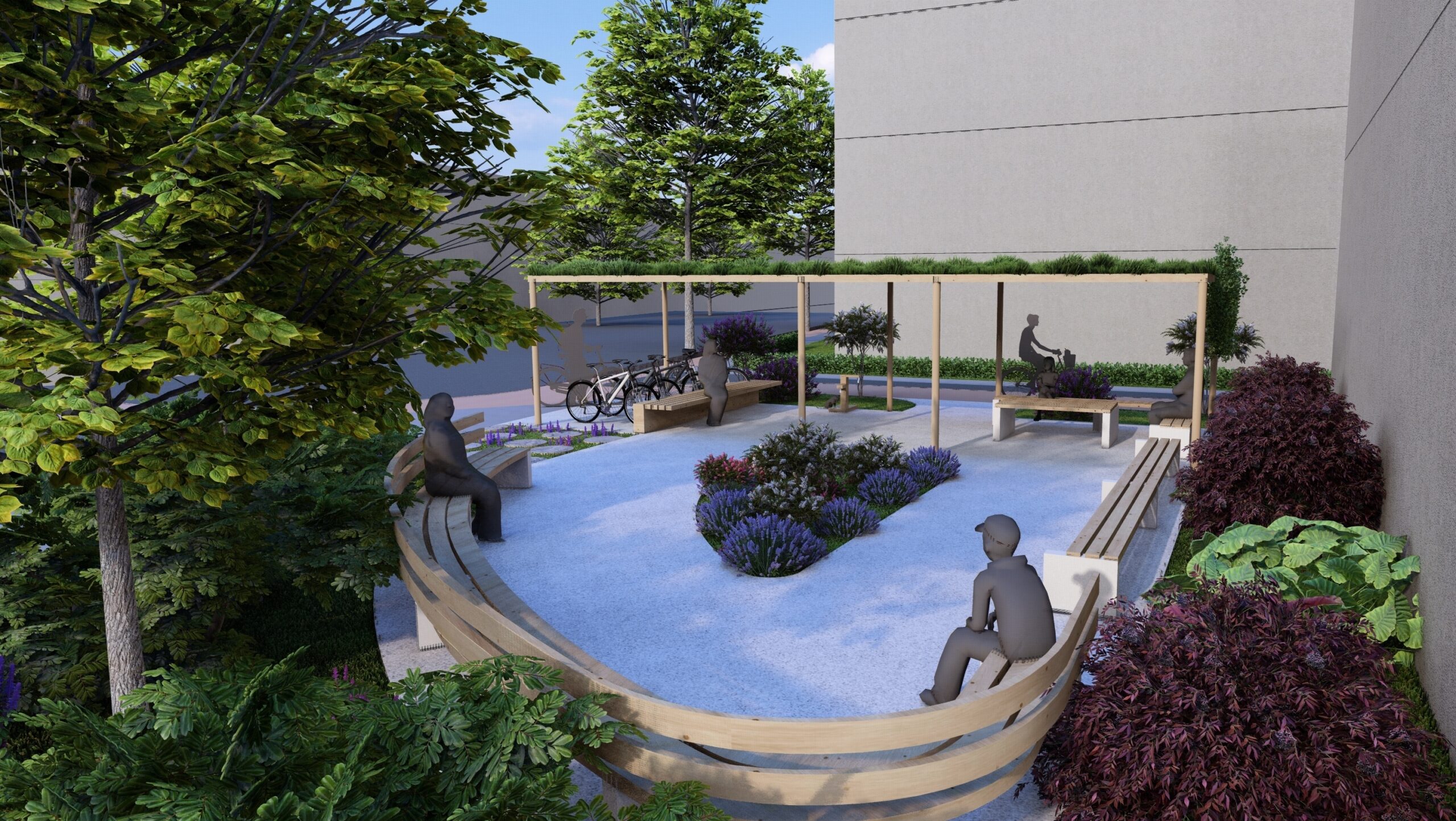
The project arose from the need to address the shortage of green space in Deva (just 4 square metres per inhabitant compared to the standard of 26 square metres), which was a result of industrial development. The ‘client’s’ perspective was defined directly by the community. Through field research and questionnaires, a major problem was identified: the distance of over 4 km and the lack of green spaces between the main natural hubs, Cetate Park and Bejan Forest. The proposed solution is an ‘urban acupuncture’ strategy along Mihai Eminescu Street. The impact on the community is significant: derelict land and informal car parks are being transformed into micro-parks and social spaces. The project includes cycle lanes to promote sustainable mobility and water biofiltration systems. In this way, the intervention not only addresses environmental and infrastructure issues, but also restores social cohesion, reconnecting residents with nature and the city.