HILUET UNDERGROUND MOSQUE-MUSEUM

Mataibekov architects

/

Completed Projects – Culture. Heritage

/

Kazakhstan

Company Name

Mataibekov architects


COMPANY COUNTRY:

Kazakhstan

ARCHITECTURAL CREDITS

Mataibekov Amre, Berikbossynov Bektur

Project Team
Mataibekov Amre, Mataibekova Anelya, Berikbossynov Bektur, Alshynbai Zhanibekov, Tilemisov Aibol, Orazalin Kairat, Akbaev Serik
CLIENT OR OWNER NAME:

Project Name:
HILUET UNDERGROUND MOSQUE-MUSEUM
Project Country:

Kazakhstan

Project City:
Turkestan
Project Category:
Culture. Heritage
Project Area:
2950 m2
Completion Date:
2026-12-01
Project overview

HILUET UNDERGROUND MOSQUE-MUSEUM
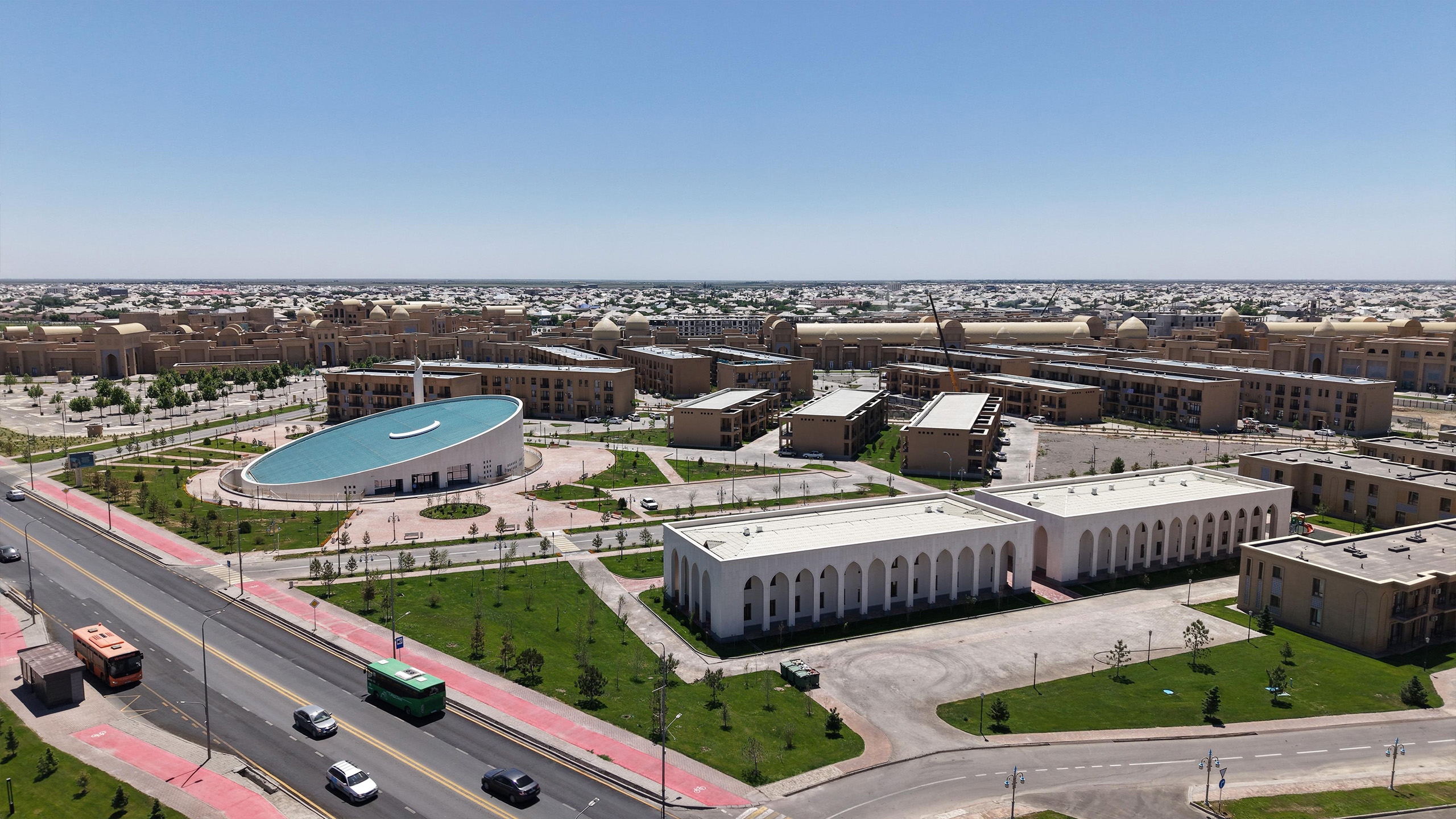
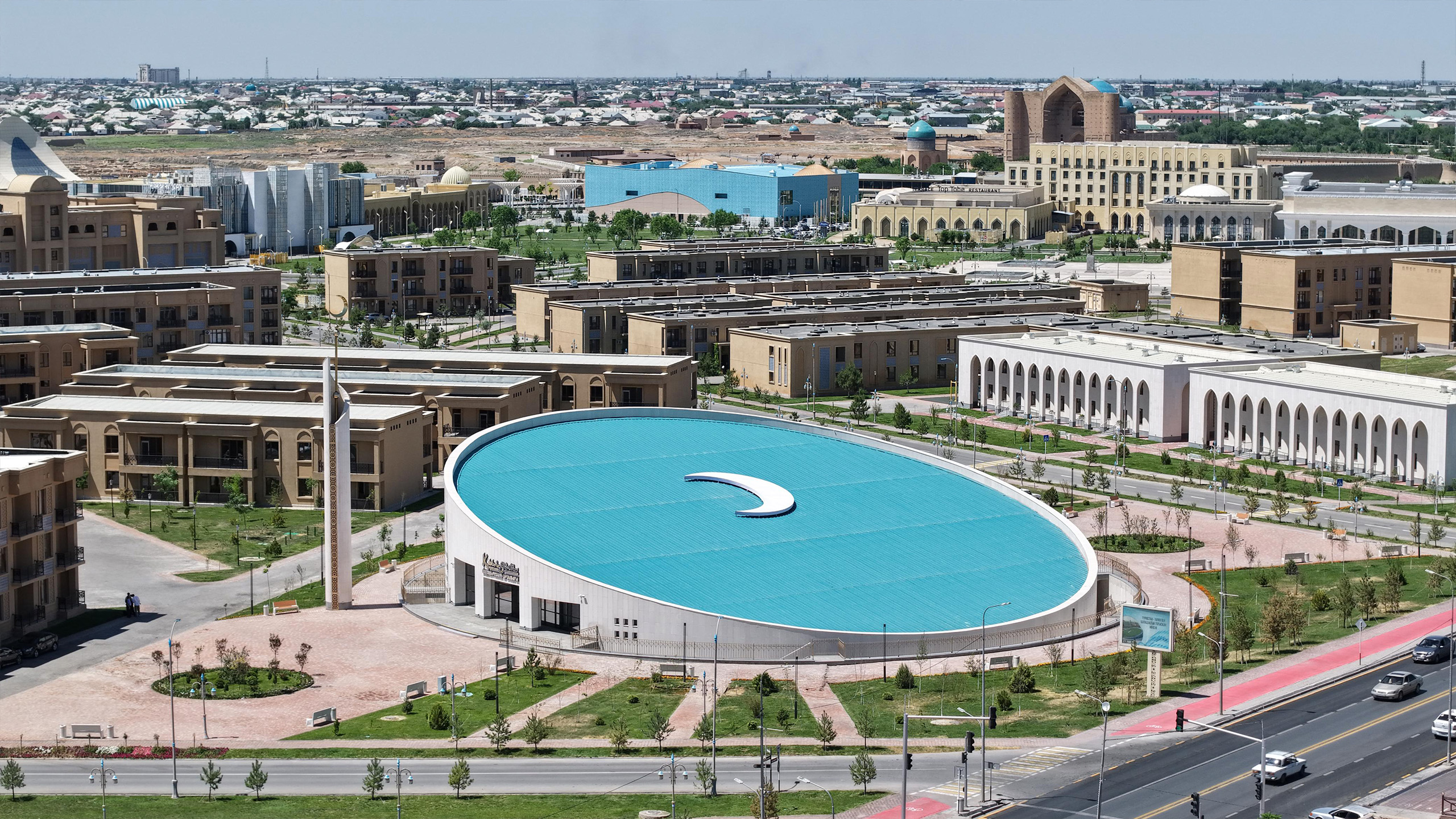
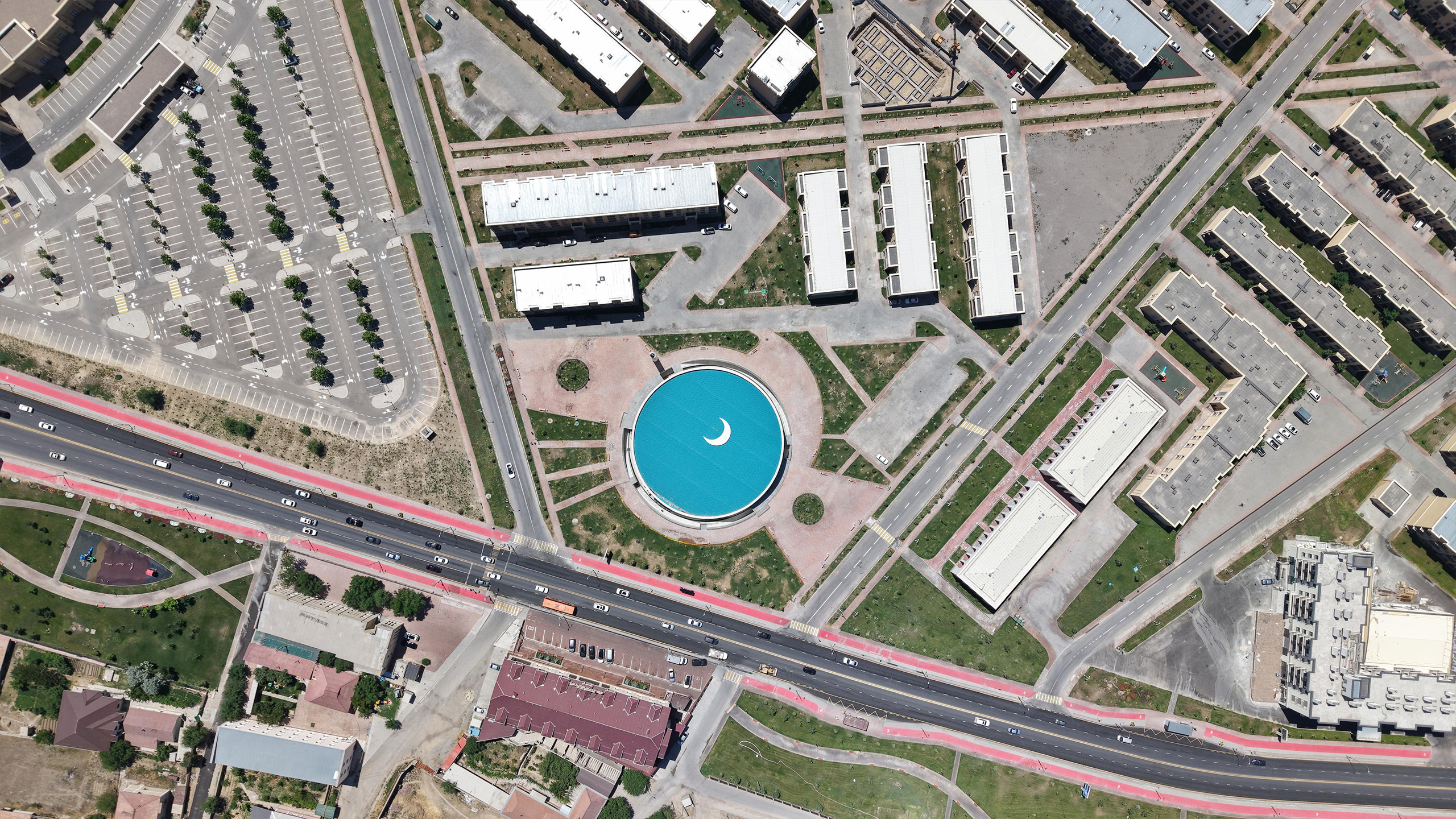
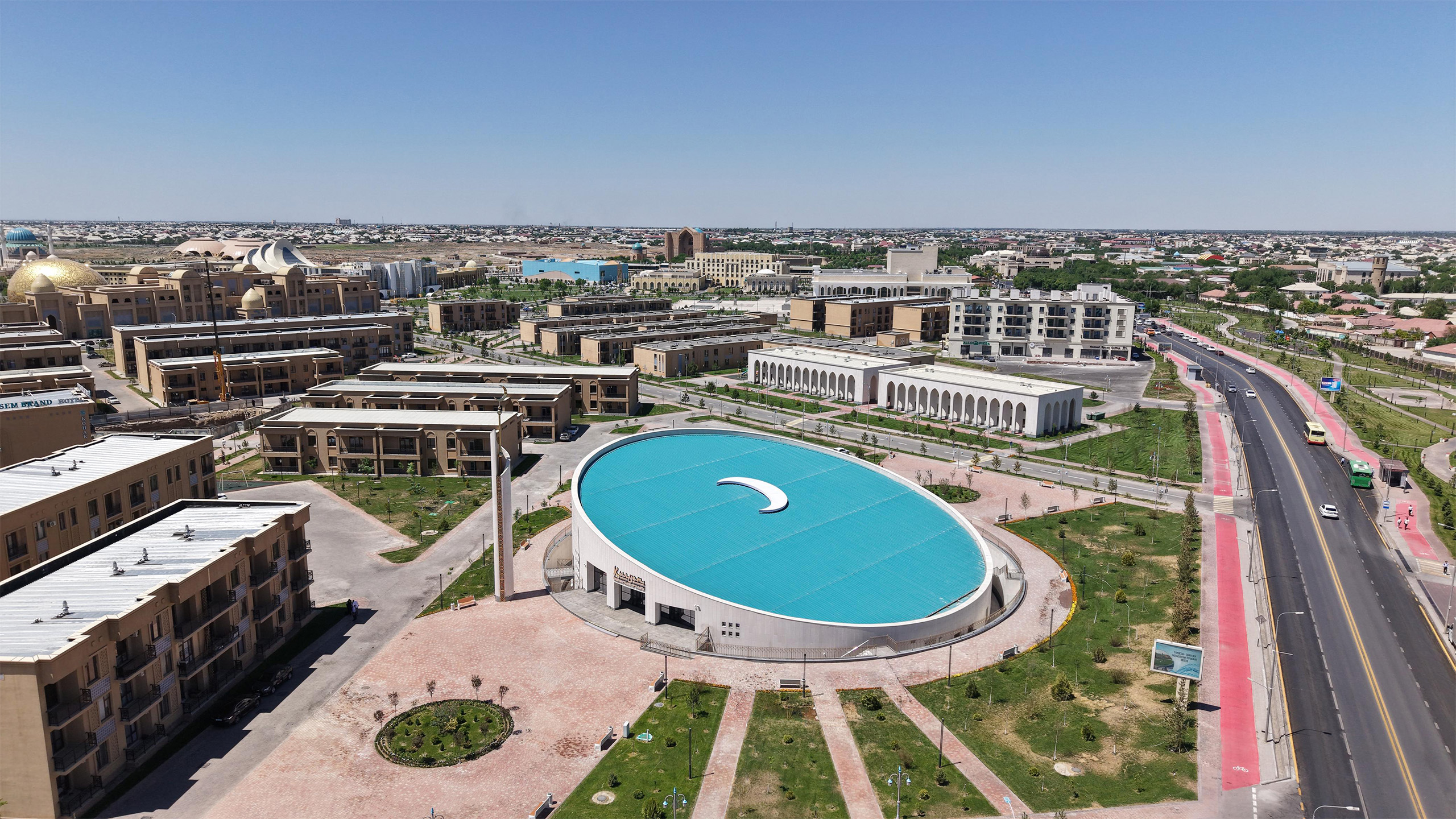
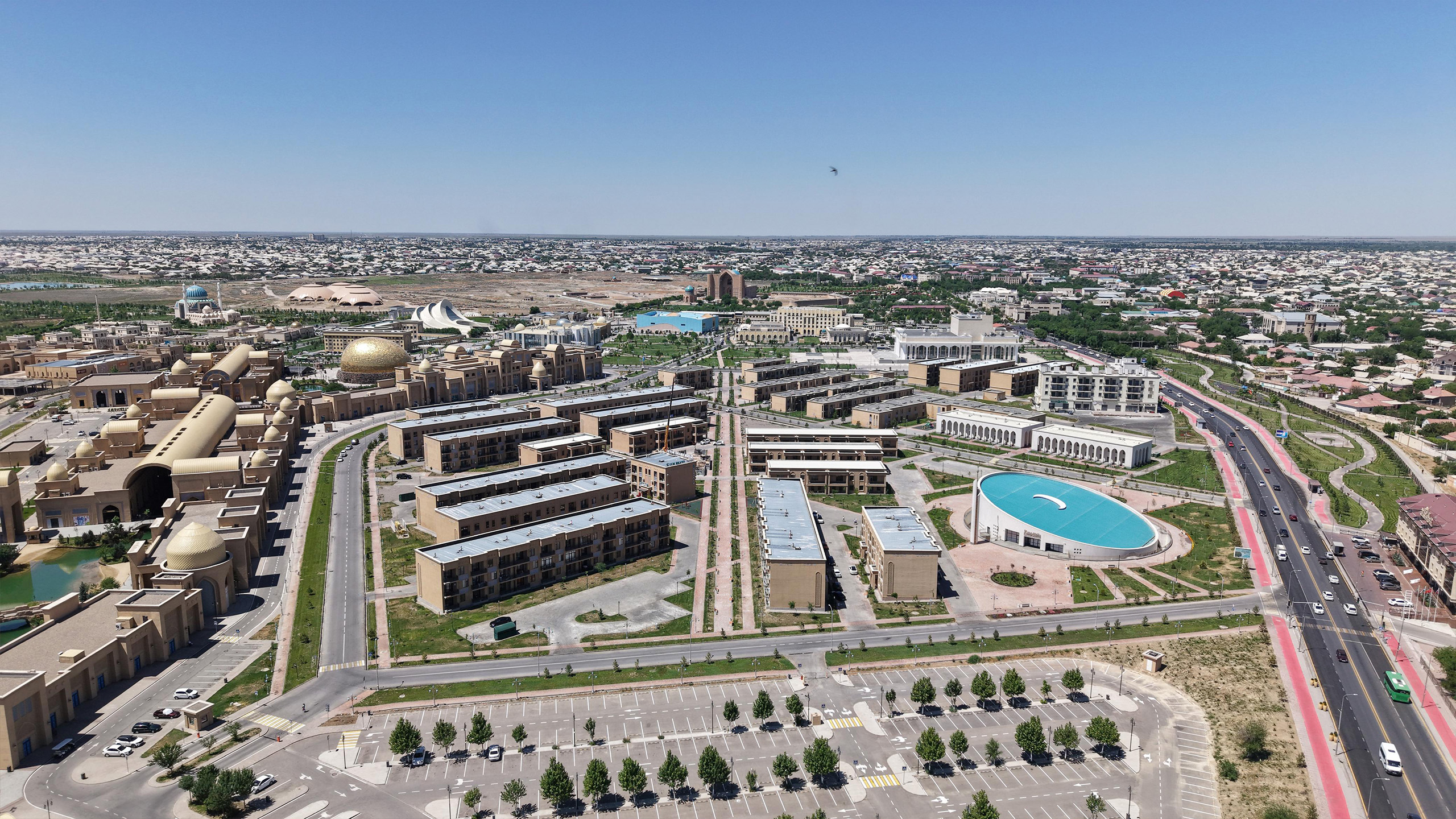
The building is recessed 4.2 meters below ground level, preserving open views and the historic skyline of Turkistan adjacent to the Mausoleum of Khoja Ahmed Yasawi. The architectural concept reinterprets the traditional symbol of the crescent moomoon. A sloping landscaped roof, punctuated by a crescent-shaped skylight, seamlessly integrates architecture with the surrounding landscape. Illuminated from within, the crescent becomes a distinctive new landmark……

Project history
Project was designed for a site allocated by the City Administration of Turkistan on the grounds of a former mosque. Its concept is deeply rooted in the historical and spiritual heritage of the region. Underground mosques constitute a unique architectural tradition within the Islamic heritage of Central Asia. According to tradition, upon reaching the age of the Prophet Muhammad, Khoja Ahmed Yasawi withdrew into an underground hiluet—a place of spiritual retreat and contemplation. An additional factor shaping the project was UNESCO’s recommendation to preserve Turkistan’s historic skyline by restricting the construction of tall buildings within the protected heritage zone. These conditions informed the architectural response: an underground mosque museum embedded within the landscape that preserves the historic panorama while creating a contemporary civic landmark. The project brings together spiritual memory, heritage, and expressive contemporary ararchitecture into………………..