Funeral Chapel of Házsongárd Cemetery in Cluj

TEKTUM ARHITECTURA & ARTA SRL

/

Completed Projects – Culture. Heritage

/

Romania

Company Name

TEKTUM ARHITECTURA & ARTA SRL


COMPANY COUNTRY:

Romania

ARCHITECTURAL CREDITS

arch. Gábor Tótfalusi, arch. Szőcs István Levente

Project Team
author: Gábor Tótfalusi, co-author: Szőcs István Levente, structural engineering: dr. ing. Makkay Dorottya, ing. Hari József – IROD M SRL, MEP engineering: Marian Aurelian – GRADINSTAL SRL
CLIENT OR OWNER NAME:

Evangelical-Lutheran Church of Cluj-Napoca

Project Name:
Funeral Chapel of Házsongárd Cemetery in Cluj
Project Country:

Romania

Project City:
Cluj-Napoca
Project Category:
Culture. Heritage
Project Area:
317
Completion Date:
2024-05-23
Project overview

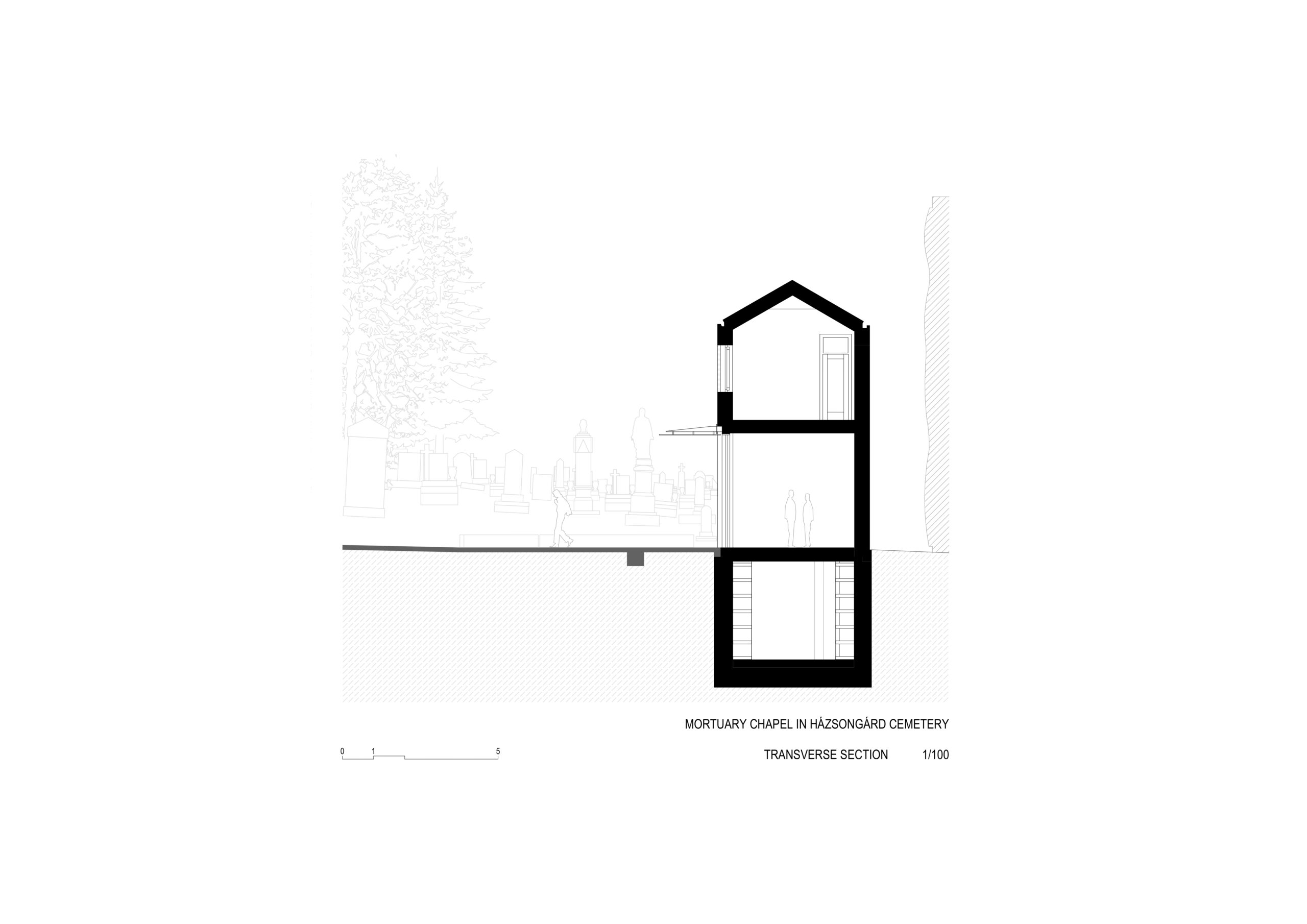
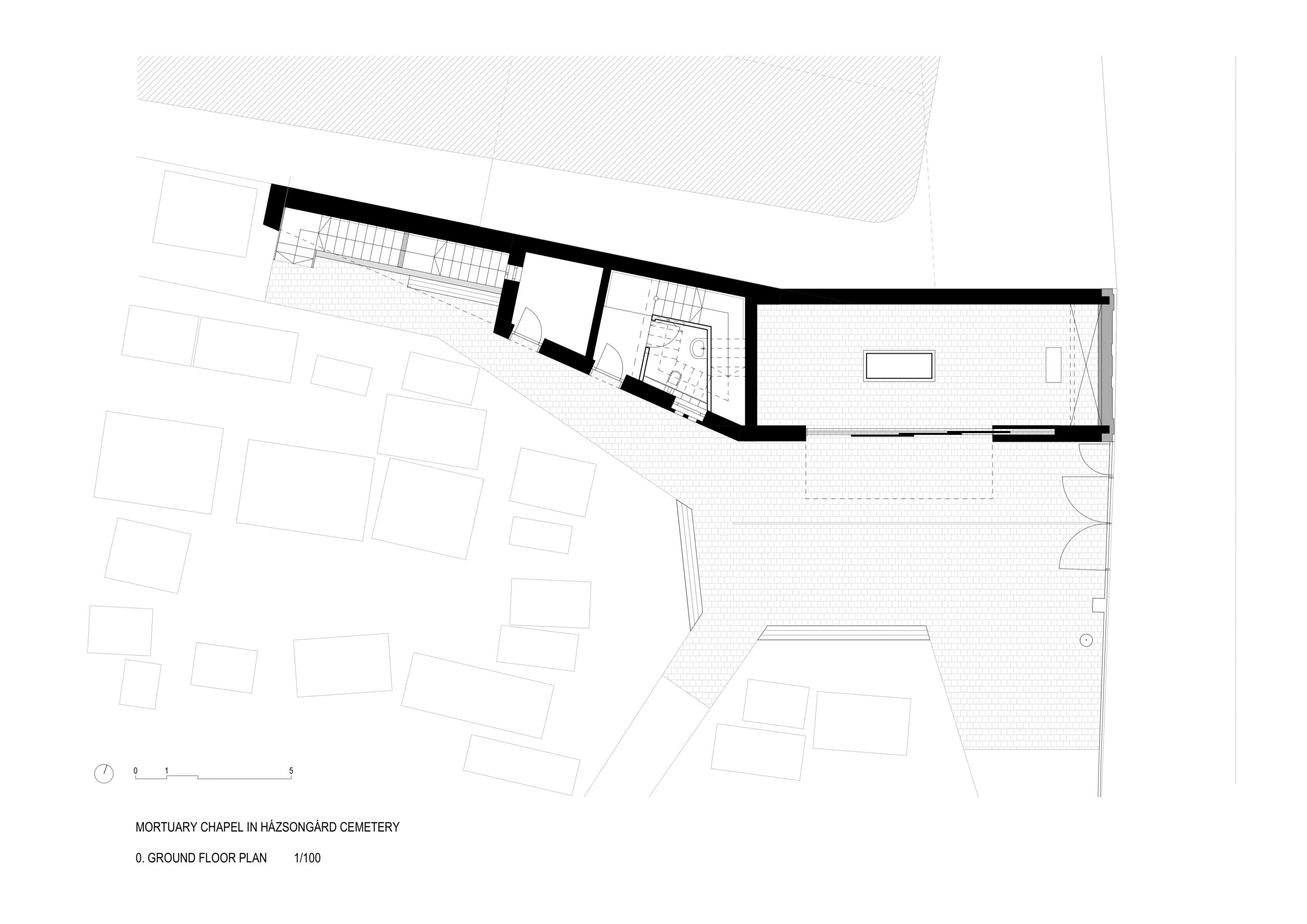
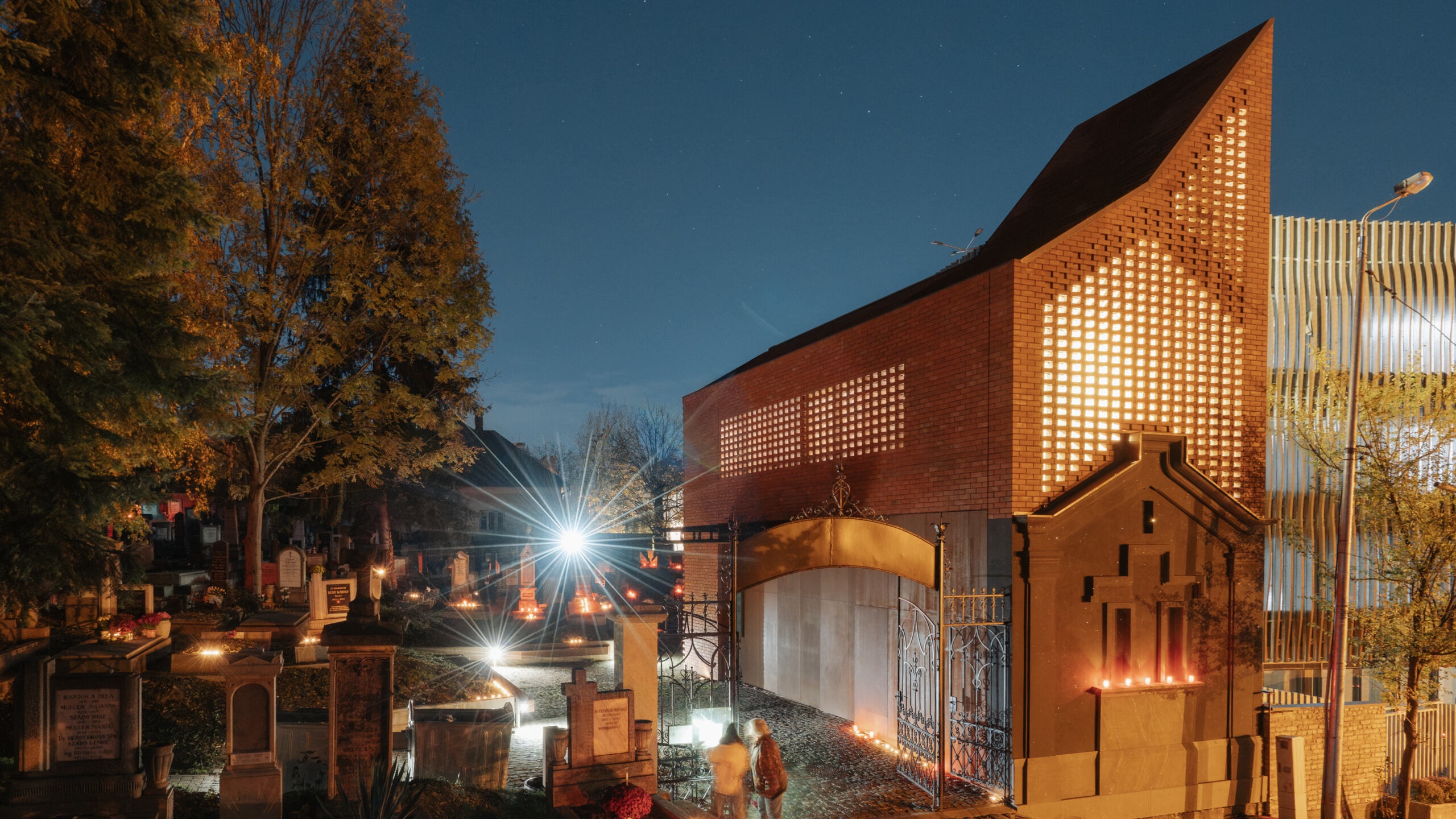
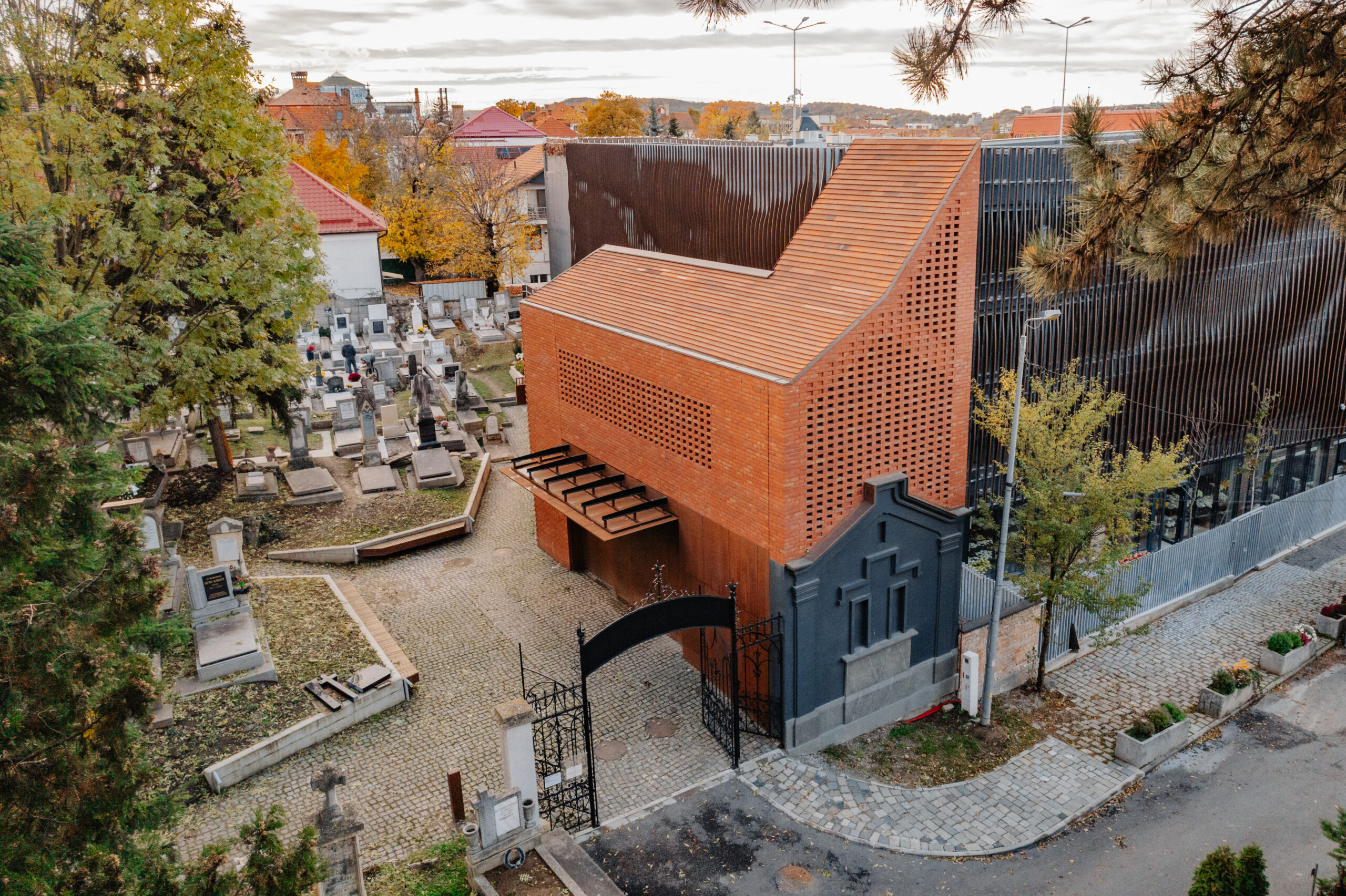
The Házsongárd Cemetery Funeral Chapel transforms a neglected historic site into an intimate sacred space through a dialogue between heritage and contemporary architecture. The project combines a chapel, columbarium, and offices while preserving the 19th-century neoclassical façade. Brick, granite, wood, concrete, and corten steel create a timeless material palette, while natural light, reused bricks, and local craftsmanship reinforce sustainability, memory, and a strong connection to the place.

Project history
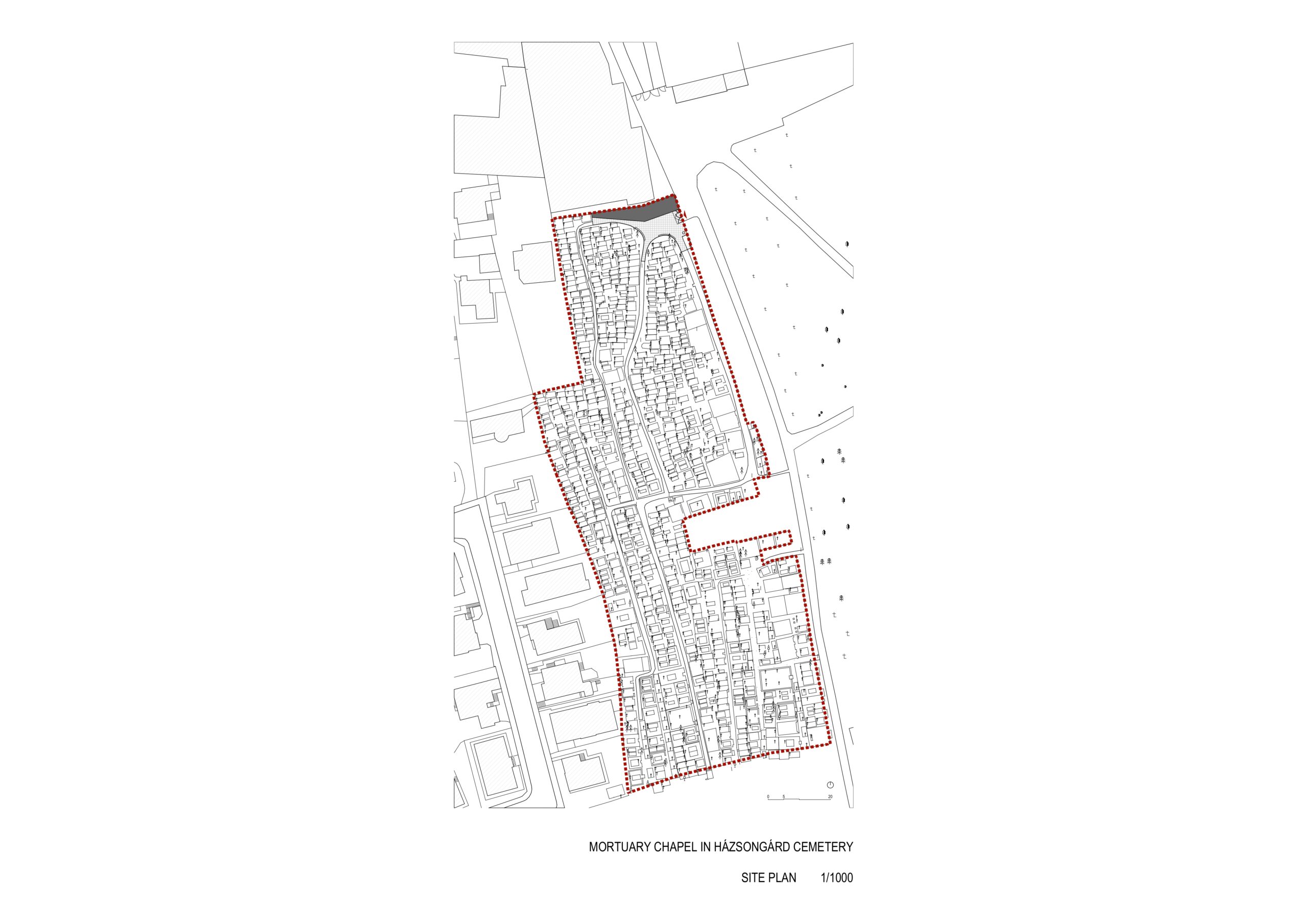
The Házsongárd Cemetery Funeral Chapel was commissioned by the Evangelical-Lutheran Church of Cluj-Napoca to provide a mortuary chapel, columbarium, and offices for the Házsongárd Association, an NGO dedicated to preserving the cemetery’s heritage. The project responds to the cemetery’s role as a place of worship, remembrance, farewell, and reflection. The main challenge was integrating a contemporary building into the historic Lutheran section while preserving the remaining façade of the deteriorated 1877 neoclassical guardhouse. Completed in 2024, the chapel transforms a neglected part of the cemetery into a meaningful architectural landmark. Beyond its functional role, the project creates a community space that connects religious, cultural, and heritage values. Reused materials, local craftsmanship, and a sensitive relationship with the historic context reinforce sustainability while preserving the identity and memory of Házsongárd.